Foodtech
Re-architecting Operational Flow in a Multi-Cash SaaS System
Redesigning and optimizing the Shift & Cash module to improve clarity, reduce operational risk and ensure clean financial closures.


Industry
Foodtech
Headquarters
Buenos Aires, Argentina
Founded
2020
Role
Product & UX Lead
Overview
Cactus is a B2B SaaS platform built for restaurants, bars and cafés, enabling businesses to manage daily operations, multi-cash workflows and financial control.
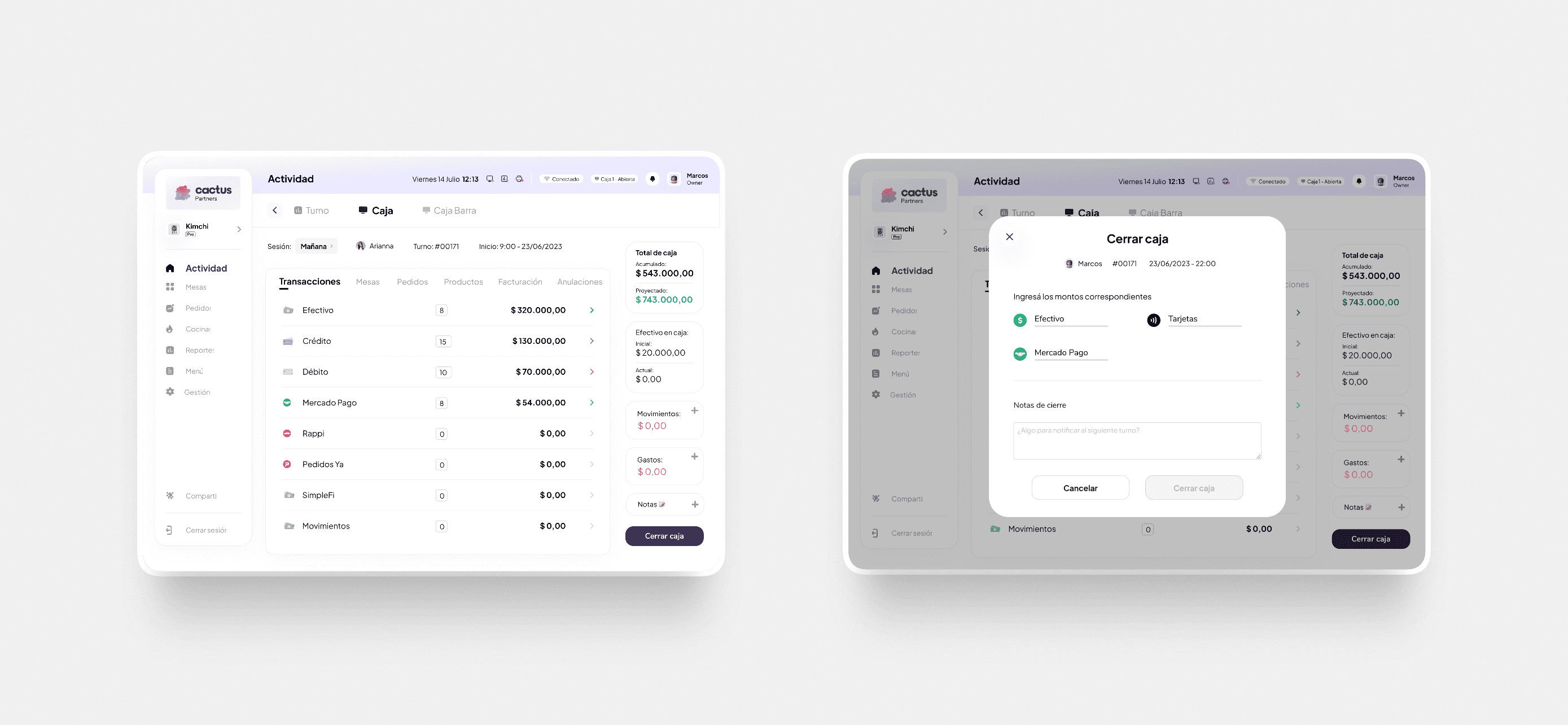
The “Shift & Cash” module governs cash handling, multi-cash environments, reconciliation and end-of-day financial closures.
Due to its operational and financial impact, inconsistencies in the closing process could create friction, confusion and potential risk.
As Head of Product Design, I identified structural issues in the closing flow and led a full re-architecture of the operational logic.
Problem Identification
Through operational observation and system analysis, I identified critical friction points:
Cash closing redirected users outside the flow when pending payments existed.
Shift closing repeated validations without structural consistency.
In multi-cash environments, users could be forced to reopen a closed cash register to complete pending payments.
Billing validations were inconsistent or missing.
The system relied on reactive alerts rather than proactive validation logic.
These issues created:
Flow interruptions.
Increased cognitive load.
Redundant steps.
Risk of inconsistent financial closures.
The core issue was not visual — it was architectural.
System Complexity
Designing a reliable closing system required managing:
Multiple active cash registers.
Orders and tables pending payment.
Billing validation (unbilled or failed invoices).
Configurable reconciliation settings.
Financial matching between Cactus and external payment systems.
Role-based permissions.
Edge cases where cash was closed before all operational tasks were completed.
The system required defining state transitions and validation hierarchy, not just improving UI clarity.
Validation Hierarchy & State Flow
The redesign introduced a hierarchical validation model to prevent circular workflows and ensure financial integrity before shift closure.
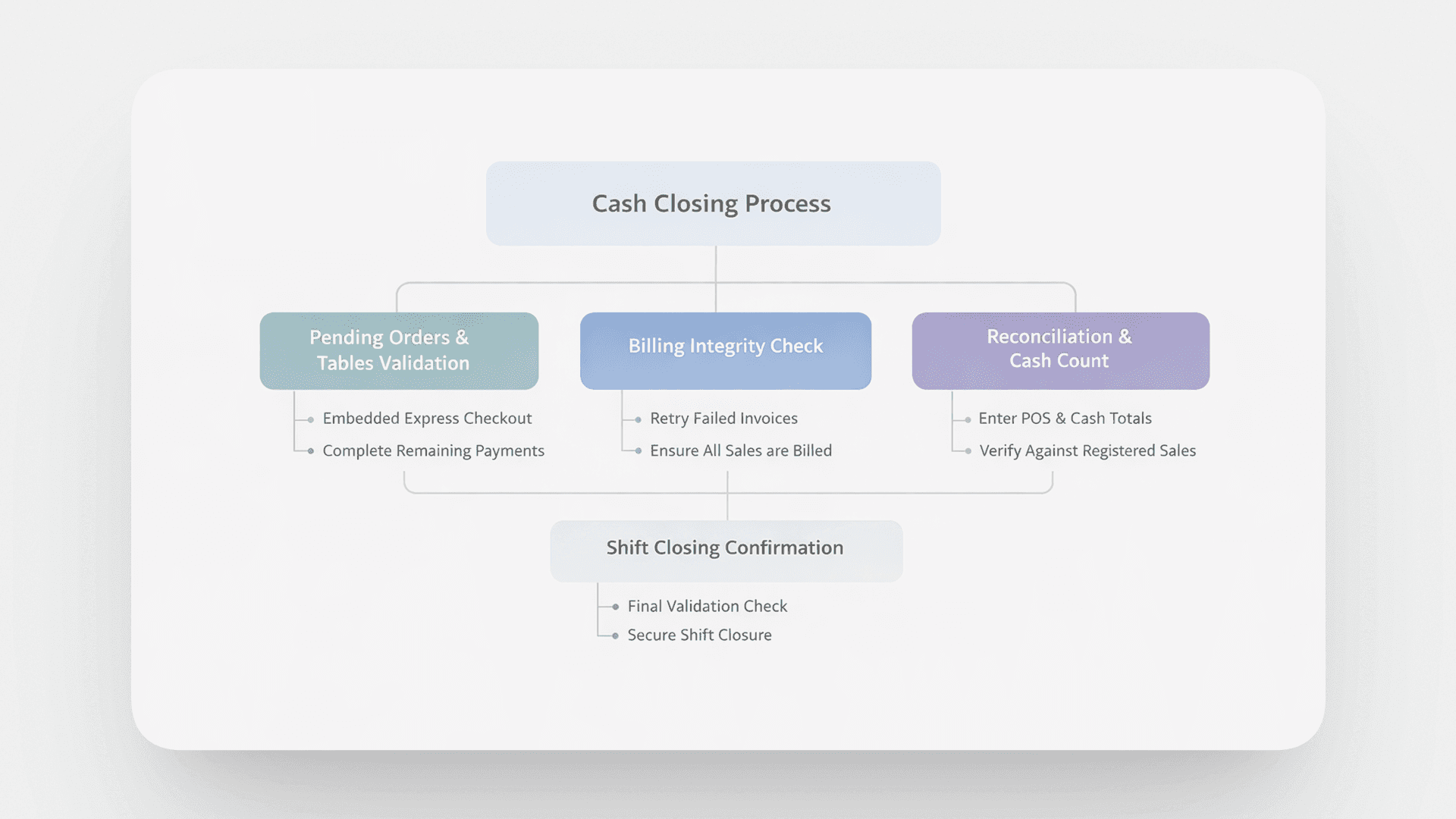
Restructuring Cash Closing as a Controlled Validation Flow
Previously:
Closing a cash register only validated pending payments.
If payments existed, users were redirected out of the flow.
Closing Shift repeated validations, sometimes forcing users to reopen a closed cash register.
This created circular friction and operational instability.
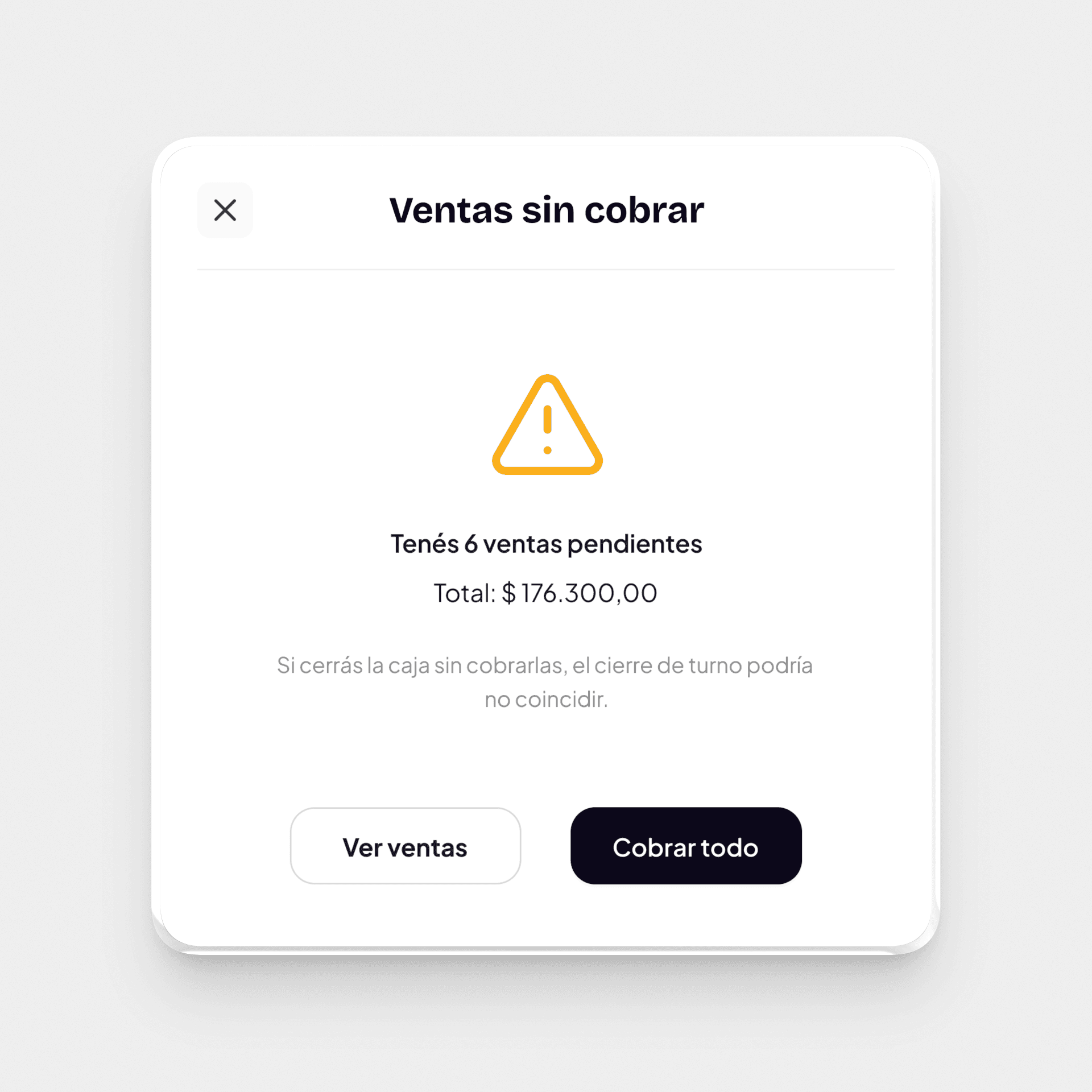
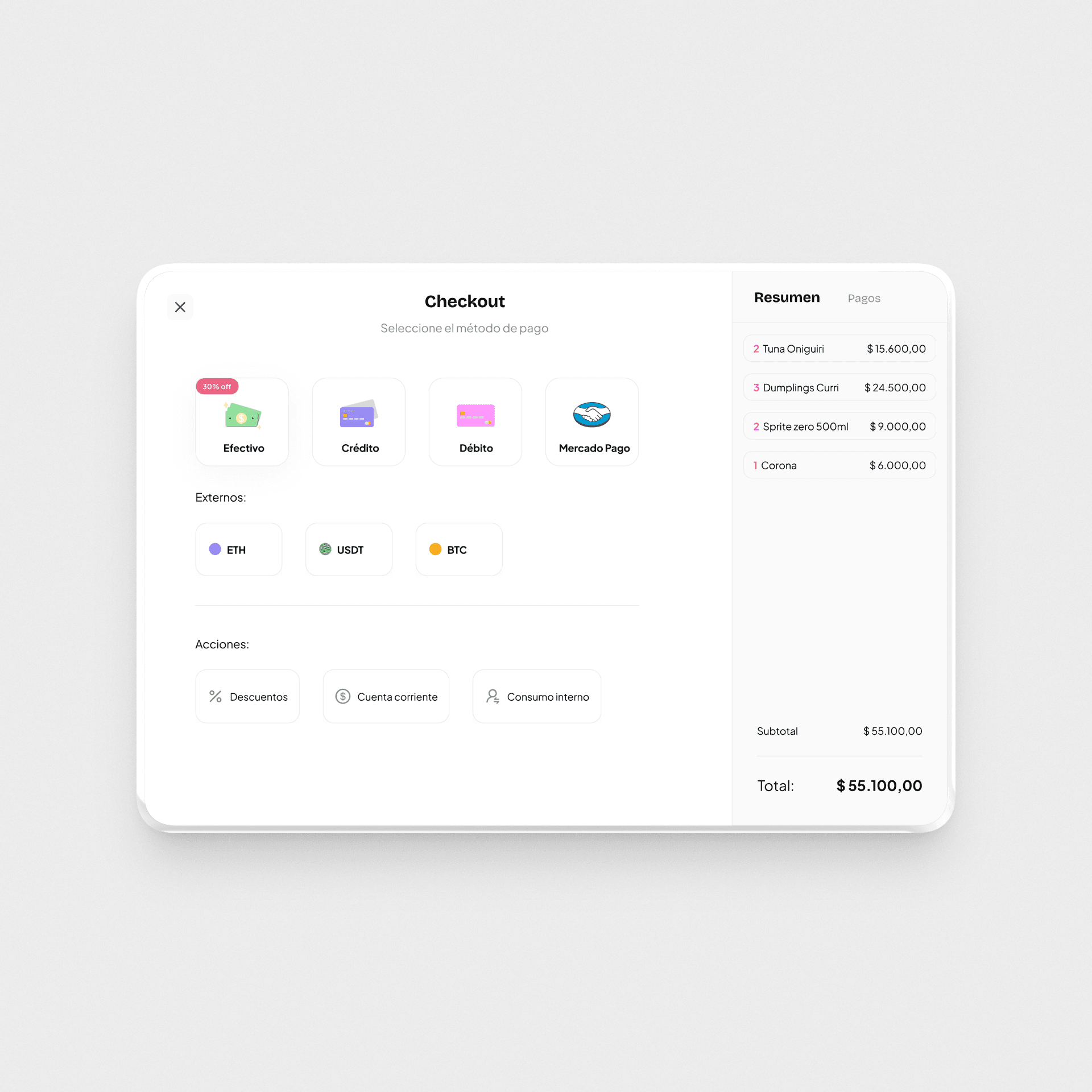
Introducing Embedded Express Checkout
New approach:
When initiating Cash Closing:
The system validates pending orders or unpaid tables.
If detected, an embedded Express Checkout modal is triggered inside the closing flow.
Payments can be completed without leaving the process.
This eliminated redirections and preserved flow continuity.
Billing Validation Layer
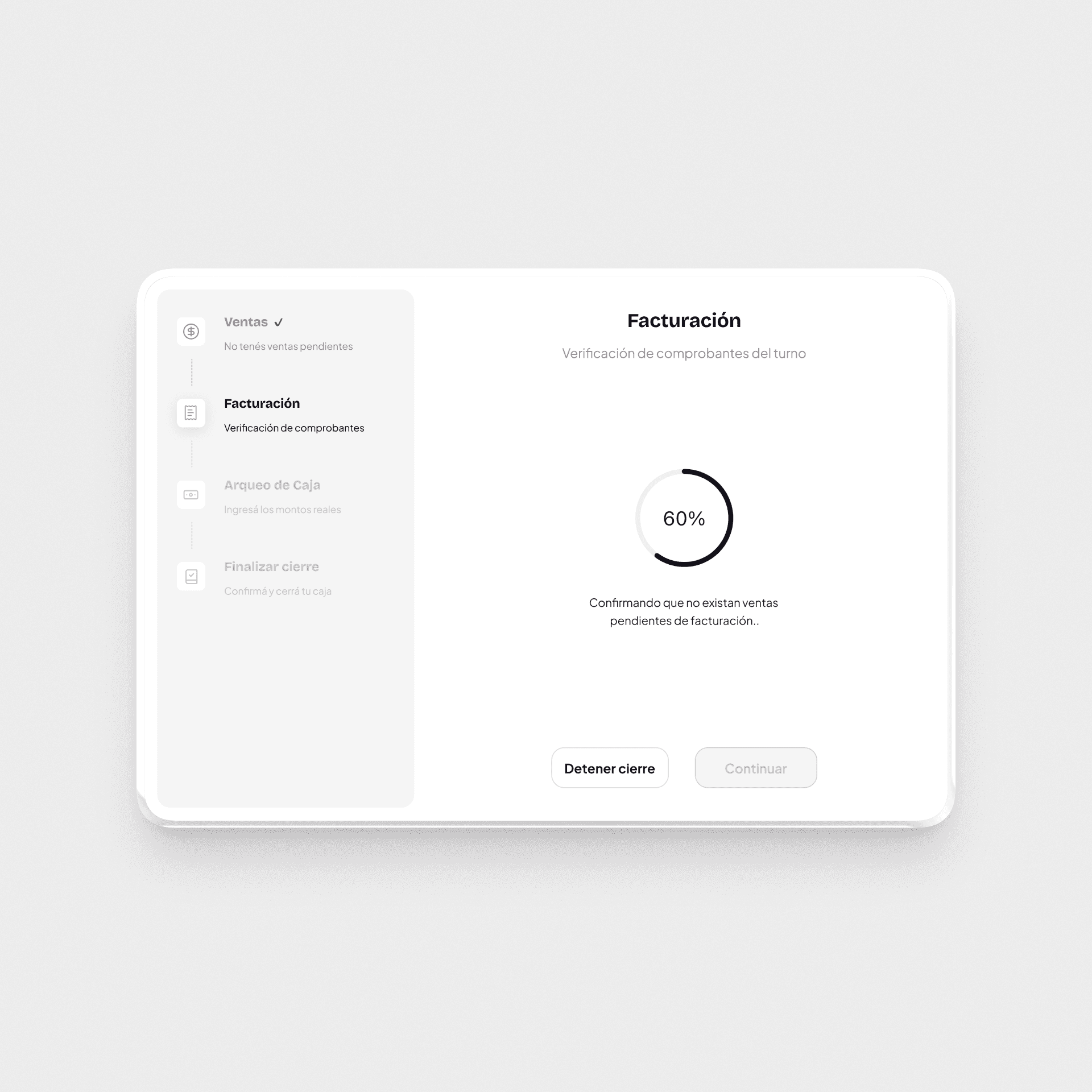
After payment validation, the system now:
Detects unbilled sales or failed invoices.
Automatically retries failed billing operations in the background.
Ensures financial integrity before allowing reconciliation.
This introduced a proactive billing safeguard previously missing.
Configurable Reconciliation Step
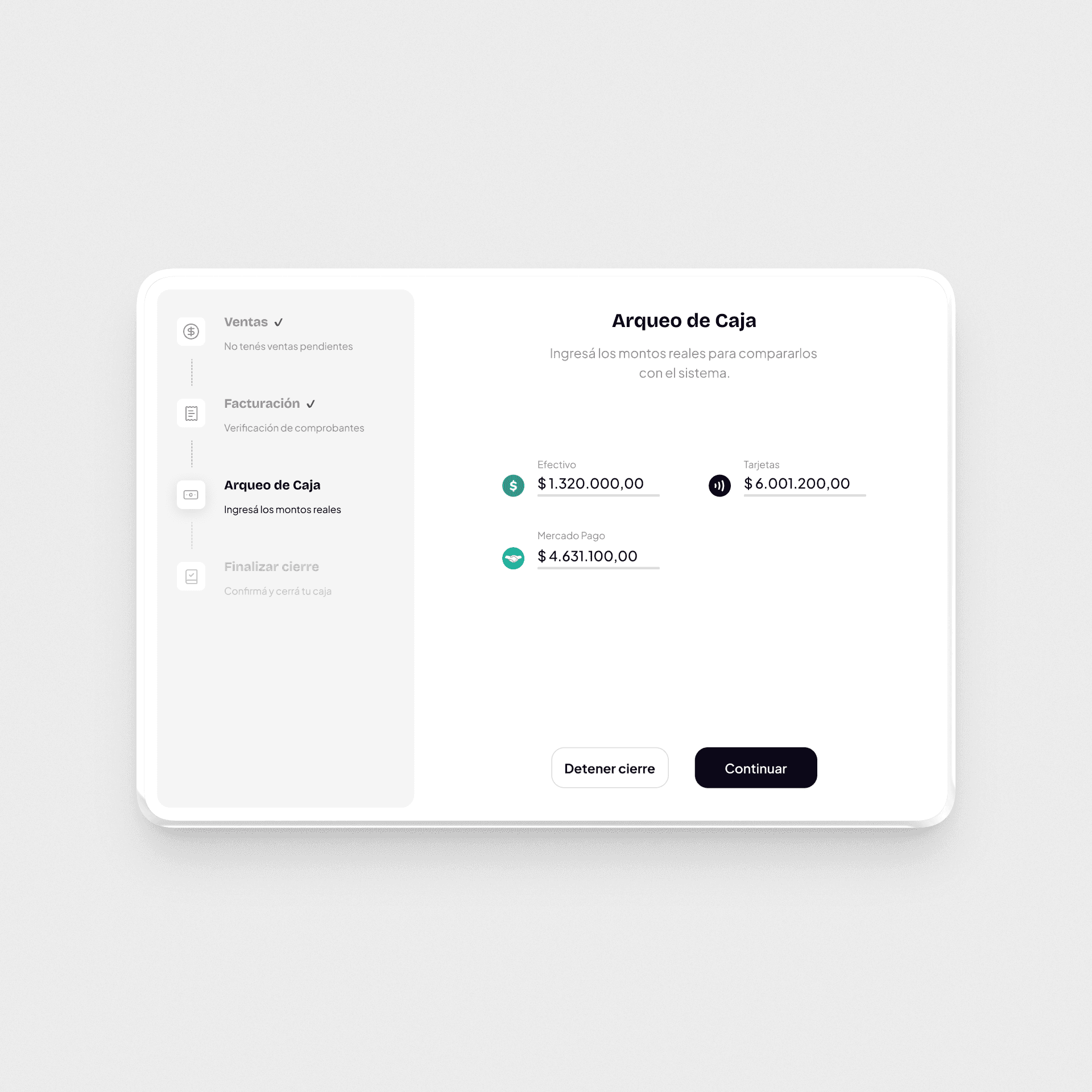
Once validations pass, the system proceeds to reconciliation:
Cashiers input POS terminal totals and physical cash amounts.
The system contrasts entered values with recorded sales.
Discrepancies are surfaced before closure.
This step ensures that every closed cash register is financially reconciled.
Clean Multi-Cash Finalization
If the cash being closed is the last active one:
All validations ensure the Shift is in a clean state.
No pending payments remain.
Billing integrity is confirmed.
Reconciliation is complete.
This guarantees that Shift Closing will not require reopening operations.
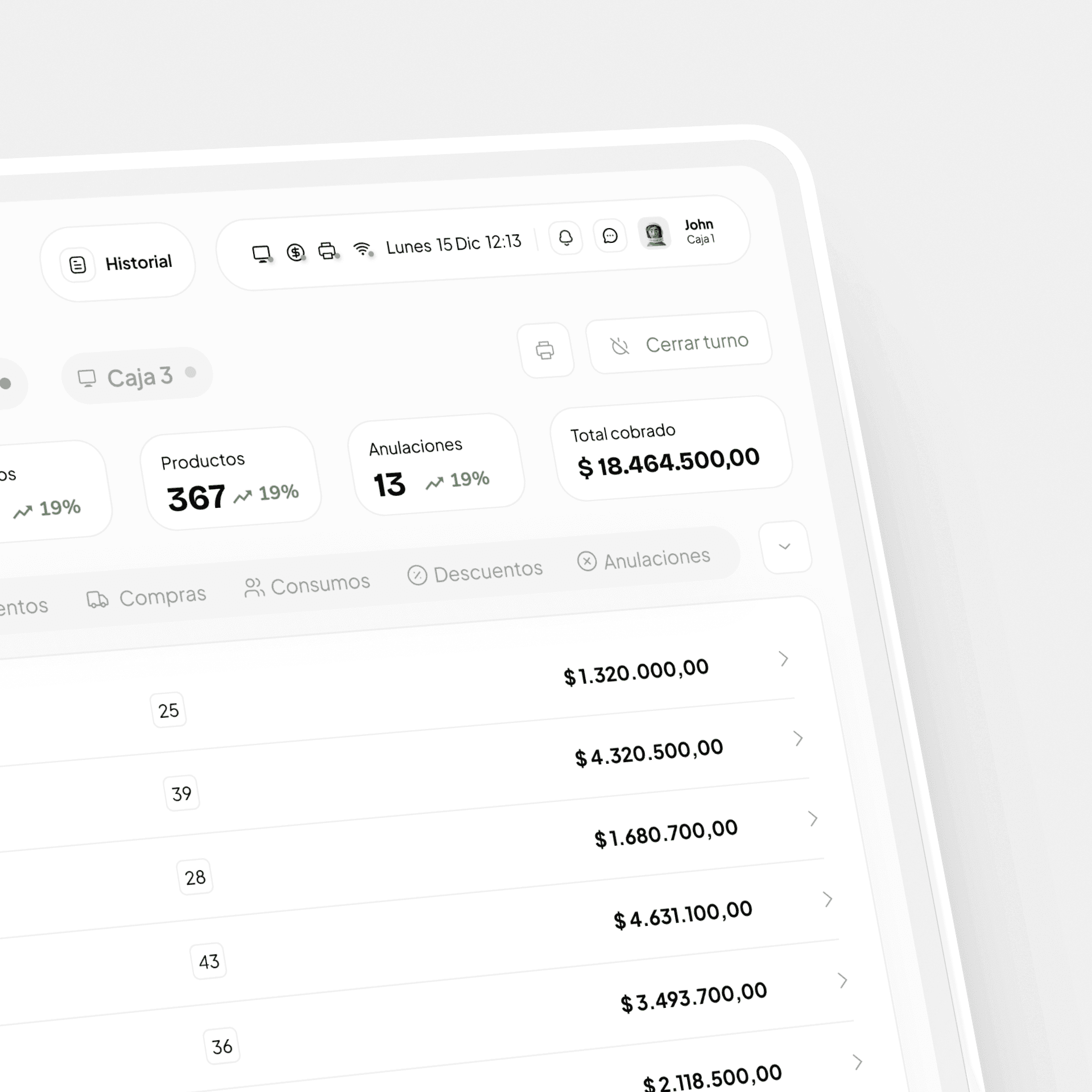
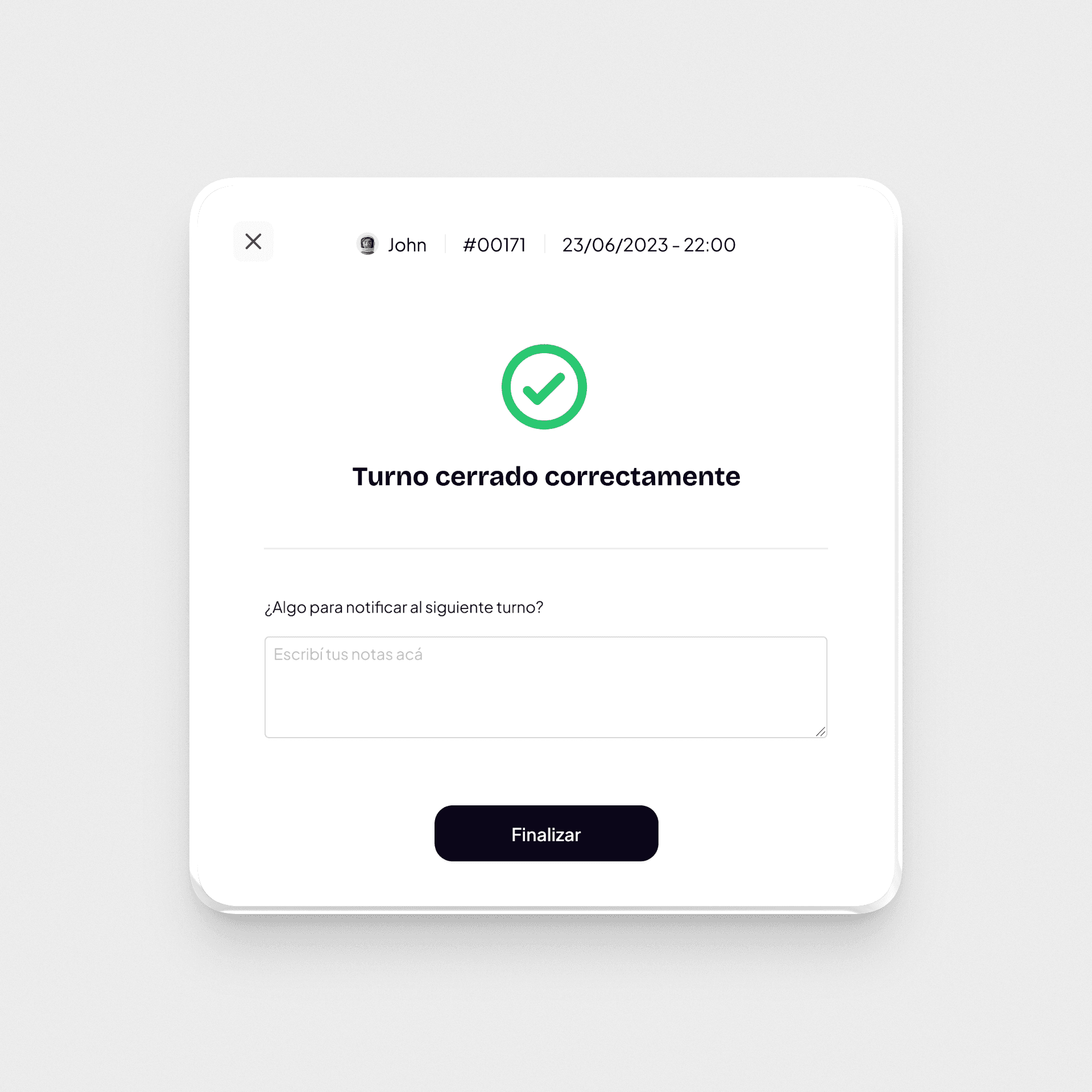
Shift Closing Optimization
With all cash registers validated beforehand:
Shift Closing now:
Runs a structured double-check validation.
Displays a progress ring indicating validation completion.
Confirms operational integrity before finalizing.
Allows optional notes for post-shift documentation.
Instead of reactive alerts, the system now performs proactive systemic verification.
Beyond Shift & Cash
While the Shift & Cash re-architecture was a critical milestone, my work at Cactus extended across multiple operational modules within the platform.
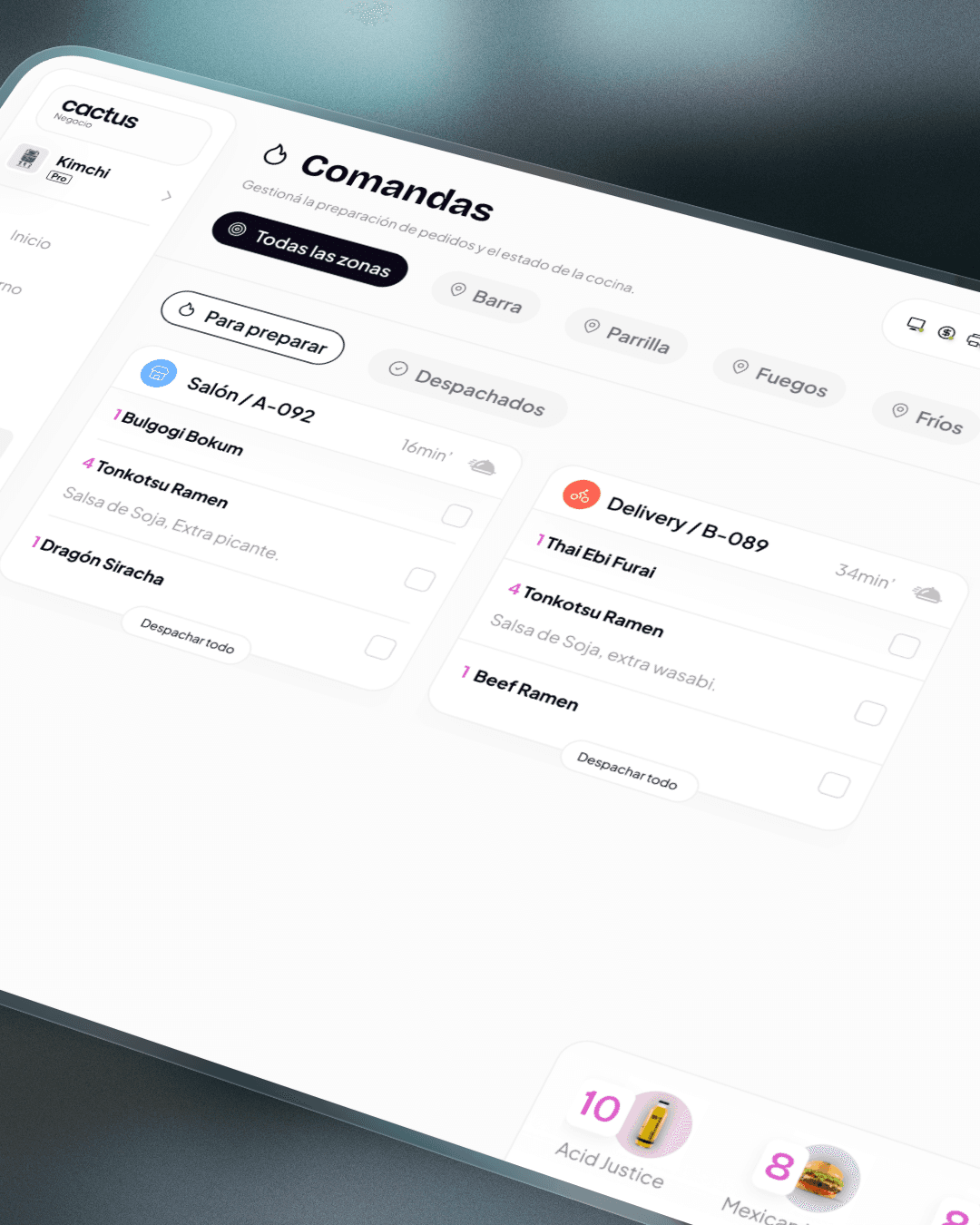
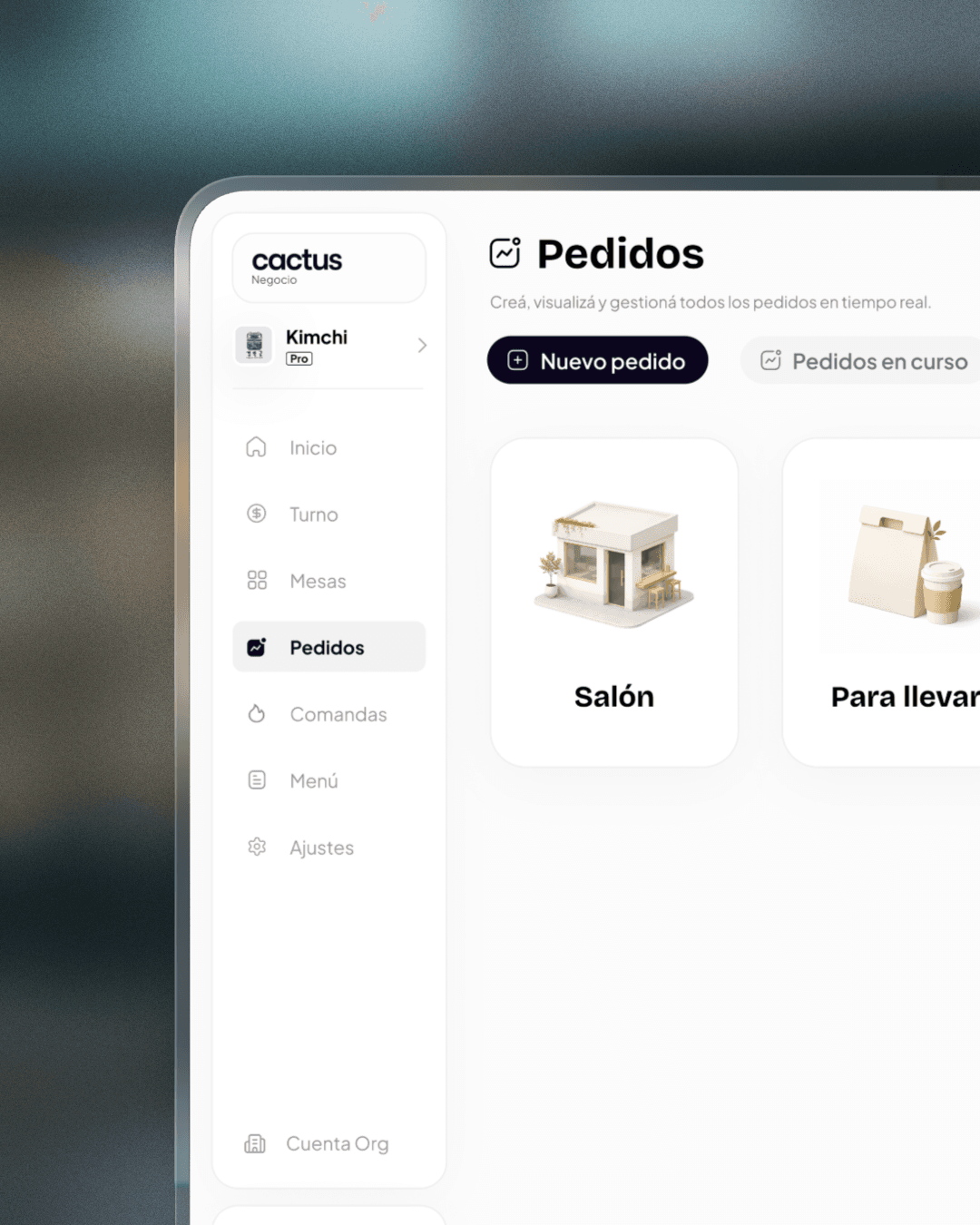
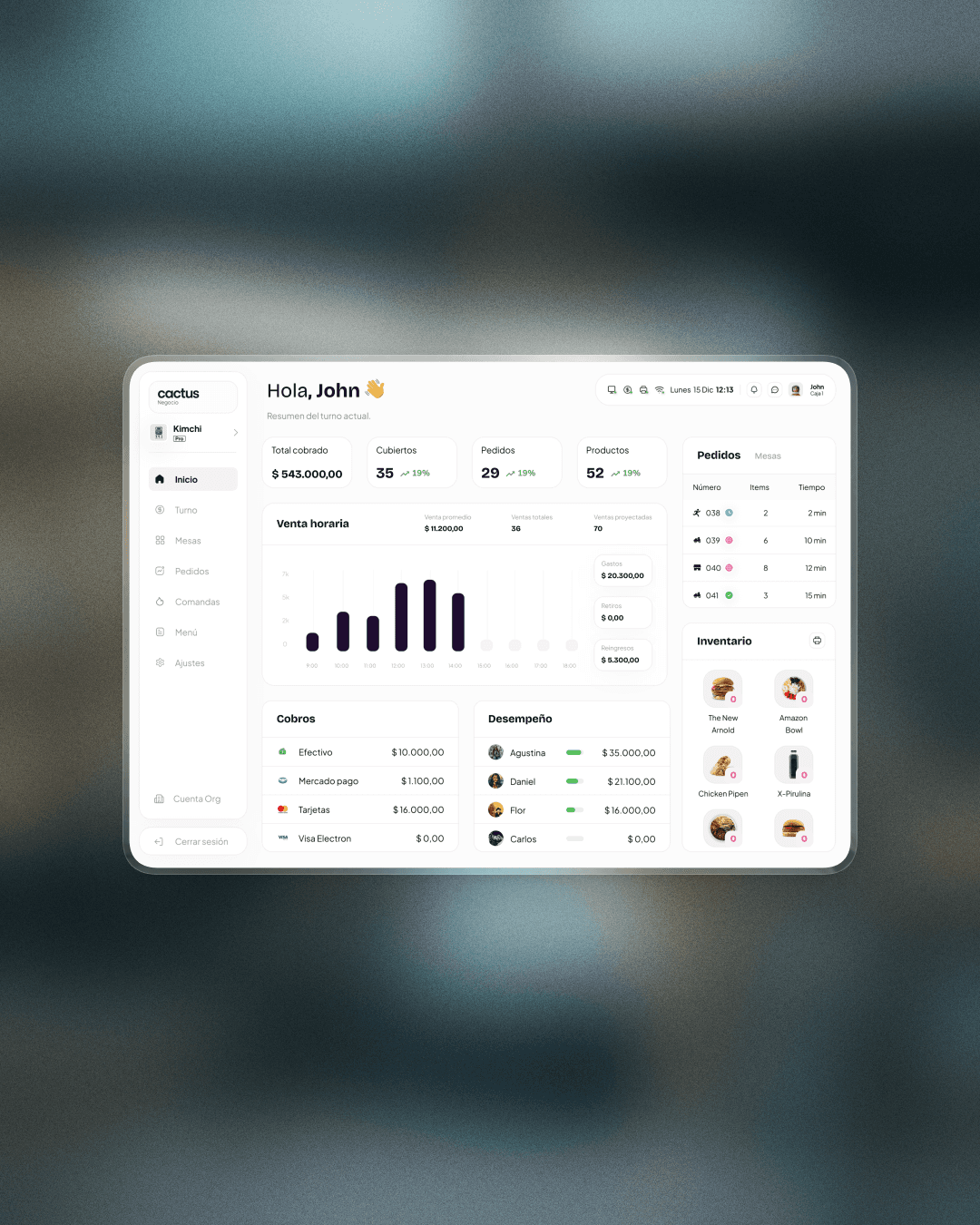
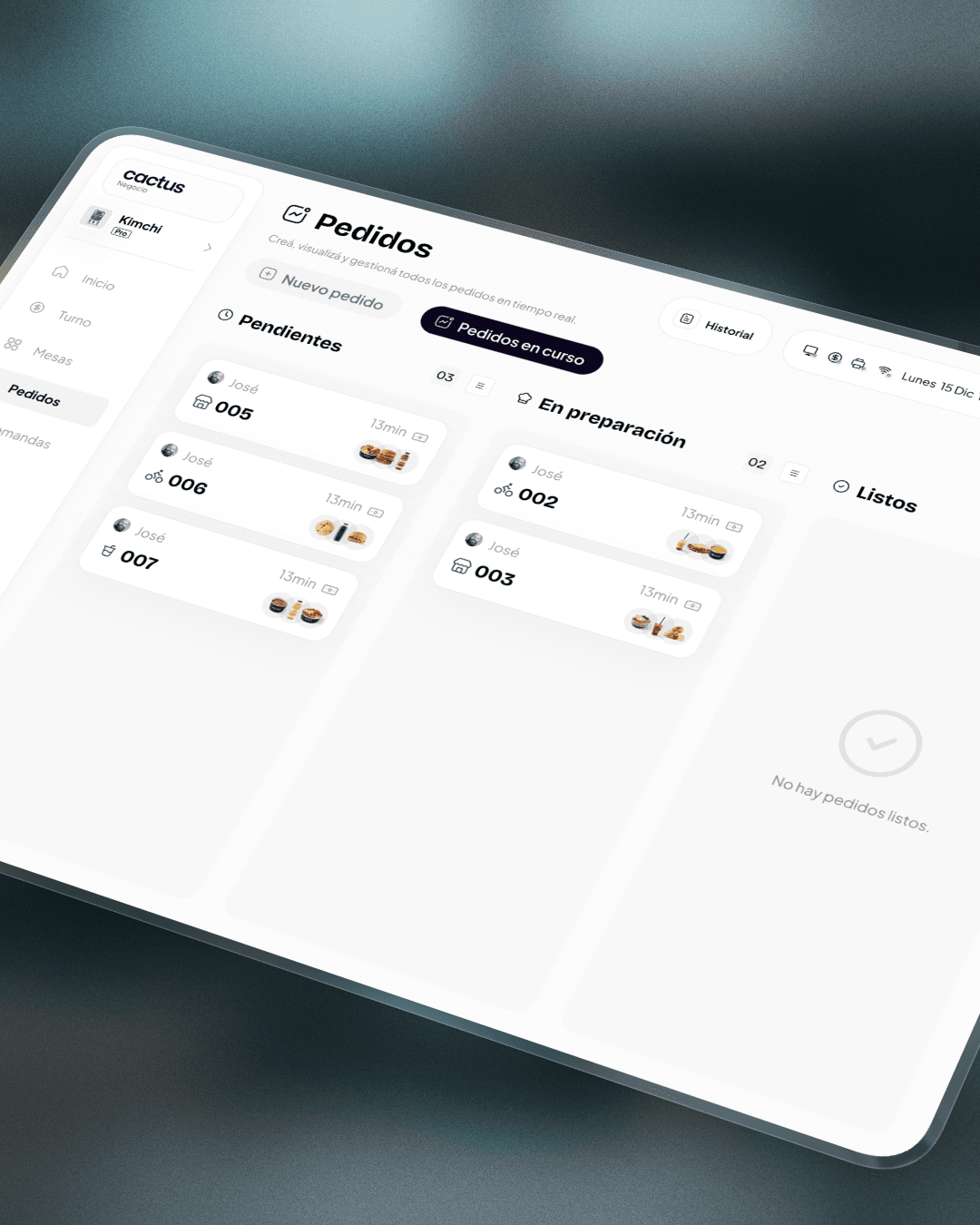
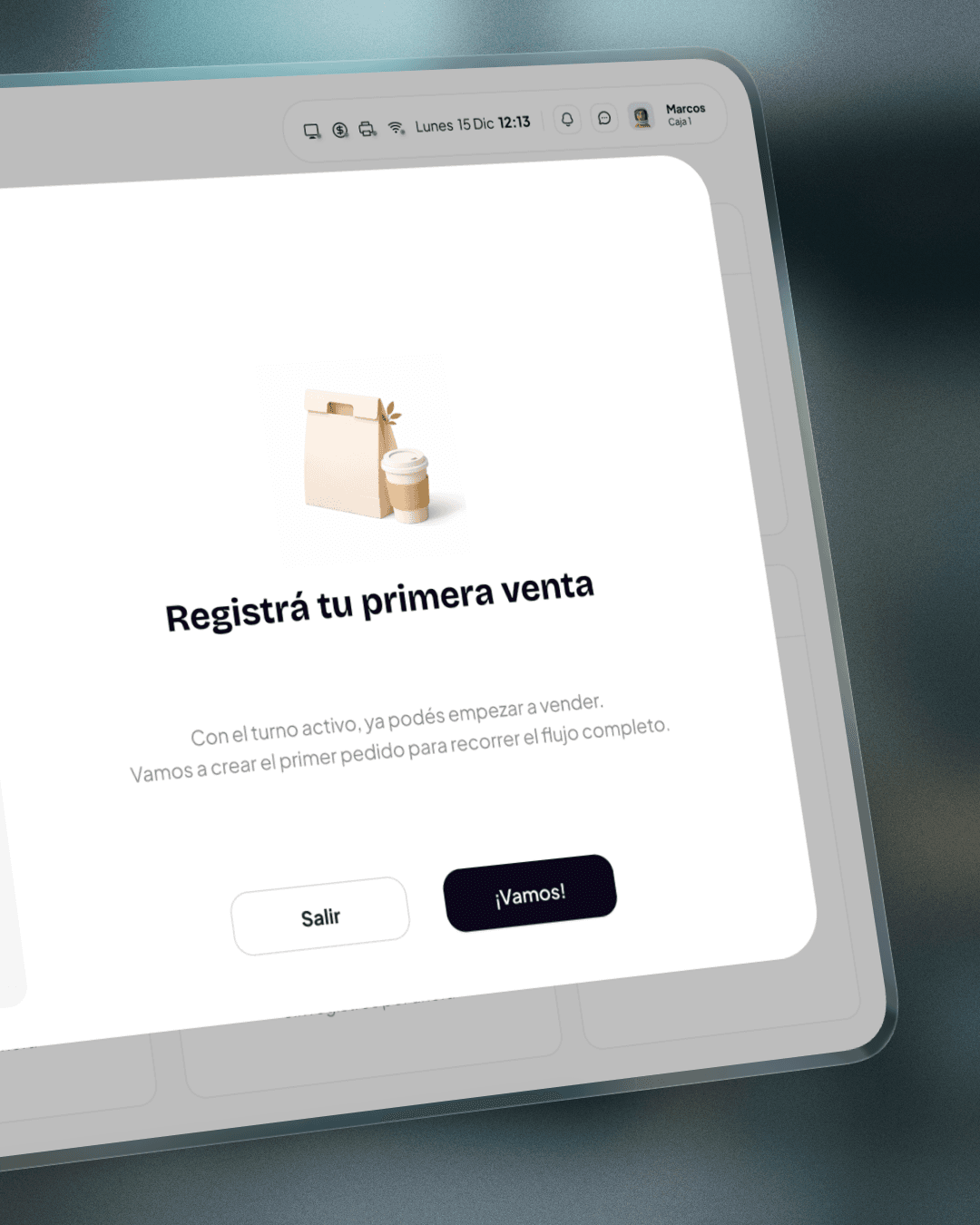
Designing operational clarity in high-impact SaaS environments.
Contact me